Standing water under hardwood after hose water
We extract from seams, use drying mats and controlled air movement, and meter daily. When readings say the floor can be saved, we save it, which is often thousands cheaper than replacement.
When a fire is out, the water is still doing damage. Our team handles water damage remediation after fire in Verdugo City, California, pulling standing water from firefighting lines and sprinkler discharges before it wicks into subfloor, insulation and baseboard. We are a local, IICRC-certified crew that answers 24/7, documents everything for your carrier, and dries the structure to verified readings instead of guessing. Call and we roll.
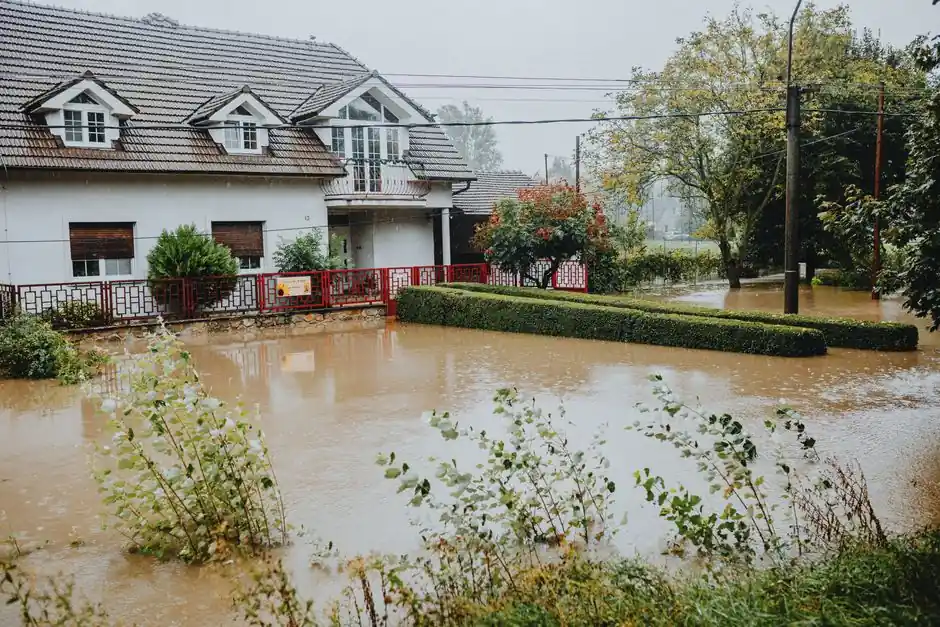
Water damage remediation after fire in Verdugo City, California is the structural drying and decontamination work that starts the moment the flames are out: extracting firefighting water, mapping hidden moisture with thermal imaging and moisture meters, and drying framing, drywall and subfloor before mold colonizes. Fire hoses can push 100 to 250 gallons per minute into a house, and sprinkler heads add another 15 to 30 gallons per minute per head until the supply is shut. That water lands in the same cavities smoke does, which is why remediation and soot cleanup run together.
Most Verdugo City calls we take are hillside and canyon homes where a kitchen fire triggered sprinklers, or a garage fire where hose water ran under the slab and into a crawl space. In older 1920s to 1950s stock around Verdugo Village, that water finds unsealed penetrations and stays trapped under original hardwood. We treat fire water damage cleanup Verdugo City jobs as a race against a 24 to 48 hour mold window, and we scope the whole envelope, not just the burned room.
Every fire water job starts with the same core: extract, map, dry, verify, document. The scope below is what we bring to a typical Verdugo City loss. Rebuild and cosmetic repair are quoted separately once the structure is dry and verified.
Truck-mounted extraction and extraction wands pull standing firefighting and sprinkler water from carpet, hardwood and subfloor, usually within 60 to 90 minutes of your call.
Thermal imaging camera, moisture meter and borescope inspection camera readings for every affected cavity, logged and photographed for your claim file.
Air movers and Dri-Eaz or Phoenix dehumidifiers positioned to dry framing, drywall and subfloor, with readings checked every 24 hours until dry standard is met.
Antimicrobial solution applied to wet framing and cavities where mold risk is elevated, following California Department of Public Health mold guidance.
Plastic sheeting contains the work zone, and HEPA vacuum plus fogger treatment reduces soot and odor while the structure dries.
Xactimate scope, daily readings and final completion report your adjuster can close the claim on, with direct billing available on most policies.
You call and we ask what burned, where the water went, and whether the power and gas are shut off. We dispatch a crew with a truck-mounted water extractor and extraction wands, usually arriving within 60 to 90 minutes in Verdugo City. We make the structure safe to enter, then start pulling standing water.
We walk the house with a thermal imaging camera, moisture meter and borescope inspection camera to find water behind baseboard, under subfloor and inside wall cavities the fire did not touch. Every reading is logged and photographed. This map is what the drying plan and the insurance scope are built on.
Truck-mounted extraction removes bulk water, then we pull wet insulation, saturated drywall and damaged baseboard where readings justify it. Salvageable material stays. We set plastic sheeting to contain the work zone and keep soot and dust out of the rooms you are still living in.
We position air movers and Dri-Eaz or Phoenix dehumidifiers to create a drying vortex across wet surfaces, then check readings every 24 hours. Typical dry-downs run 3 to 5 days. Desiccant dehumidification goes in when humidity is high or the cavity is closed. We adjust equipment daily instead of dropping it and leaving.
Drying is done when moisture content matches a dry standard in unaffected material, not when the floor looks dry. We provide final readings, photos and a completion report your adjuster can close the claim on, plus a clear list of any rebuild work still needed.
Purpose-built equipment, used by trained technicians — so the job is done accurately the first time.
Pulls hundreds of gallons of standing firefighting and sprinkler water fast, far beyond what portable units handle.
Finds temperature differences that reveal hidden water behind drywall, under subfloor and inside ceiling cavities.
Gives numeric moisture content readings so drying is verified against a dry standard, not judged by touch.
Looks inside closed wall cavities and crawl spaces without unnecessary tear-out.
Removes moisture from the air so wet materials can release water and reach dry standard.
Captures soot particles and treats odors while the structure dries, so the air is cleaner when you return.
Two sprinkler heads discharged for roughly 12 minutes after a kitchen fire, leaving about 1 inch of standing water across a hallway and into a bedroom. Original hardwood was cupping and baseboard was saturated.
Extraction pulled the standing water in under an hour. Five days of air movers and dehumidifiers brought framing and subfloor to dry standard, and the hardwood was saved with drying mats instead of replacement.
A garage fire was knocked down with hose water that ran under the slab into a 600-square-foot crawl space. Insulation was soaked and framing read 28 percent moisture content.
We pumped and extracted the crawl space, removed saturated insulation, and ran dehumidification for four days. Framing dropped to 12 percent, and no mold was found at a 90-day follow-up.
A contained bedroom fire triggered one sprinkler head that soaked the ceiling cavity and the wall behind the headboard. Drywall looked dry on the room side, but the cavity read 24 percent.
Thermal imaging found the wet zone, we opened a 2-foot section, dried the cavity in three days, and verified with a moisture meter before patching. No mold and no full ceiling replacement.
The fire is the visible loss. The water is the one that keeps costing money if nobody dries it right. These are the problems we see most in Verdugo City.
Ask a pro →We extract from seams, use drying mats and controlled air movement, and meter daily. When readings say the floor can be saved, we save it, which is often thousands cheaper than replacement.
Thermal imaging and a borescope inspection camera find the wet cavities. We open where needed, dry with directed airflow, and verify with a moisture meter before anything is closed back up.
We remove saturated insulation, dry the crawl space with dehumidifiers and air movers, and treat framing with antimicrobial solution. Final readings confirm the space is dry before we close it.
We document with photos, meter readings and an Xactimate line-item scope from day one, and we talk to your adjuster directly. That is how fire water damage cleanup Verdugo City claims get paid without a fight.
Most residential fire water dry-downs in Verdugo City run $2,500 to $8,500 in 2026, with larger or multi-room losses reaching $12,000 or more. Cost depends on how much water entered, how many cavities are wet, and whether tear-out is needed. We provide an upfront scope before work starts, and most claims are billed directly to your carrier.
We do, 24/7. Water Damage Restoration Verdugo City is a local crew founded in 2022, IICRC-certified, and we dispatch from Verdugo City with a typical 60 to 90 minute arrival window. Call (833) 321-7153 and a technician answers, not a call center.
Yes. Most fire-related water damage is fully correctable if drying starts within 24 to 48 hours. We extract standing water, dry framing and subfloor to verified readings, and treat for mold risk. Structures that sat wet for a week or more may need limited tear-out and rebuild, which we scope and document clearly.
Yes. We document with photos, moisture readings and an Xactimate scope, then bill your carrier directly on most policies. Firefighting water damage is normally covered under the same claim as the fire itself. We can also give you a written scope if you are paying out of pocket.
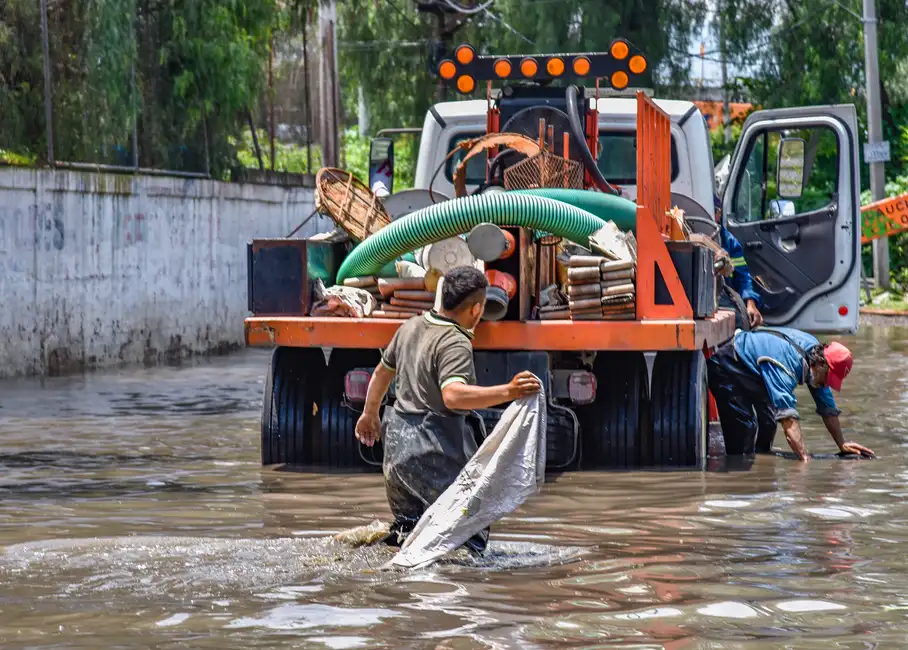 flood restoration servicesWhen firefighting water behaves like a flood, our flood restoration services crew extracts, dries and documents the same way, scaled to the water volume. We handle Verdugo City homes where hose water pooled in a room or ran under a slab.Explore →
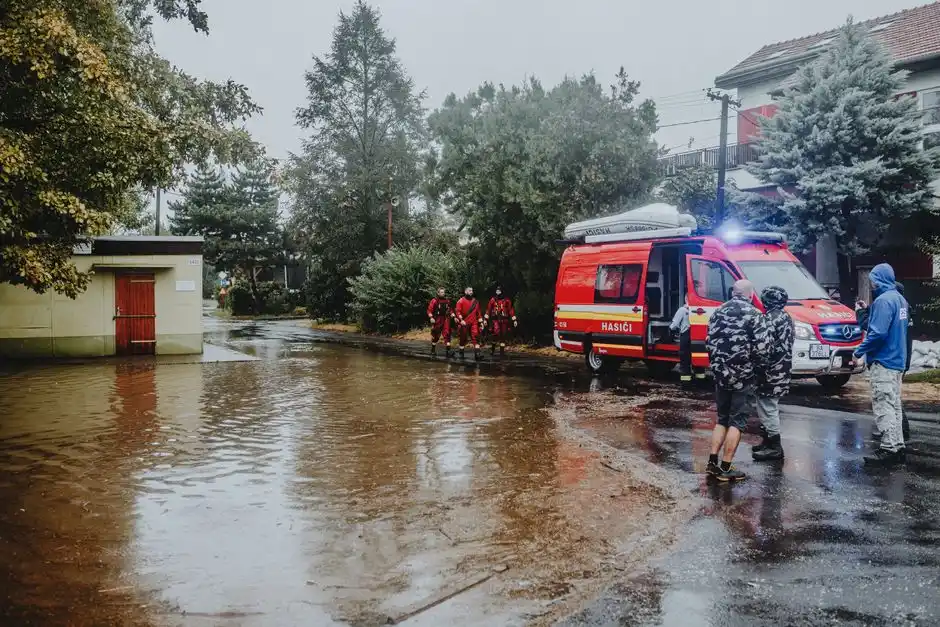 emergency water removalEmergency water removal is step one of every fire water job. We pull standing water with truck-mounted extractors before it reaches subfloor and crawl spaces, usually within 60 to 90 minutes of your call in Verdugo City.Explore →
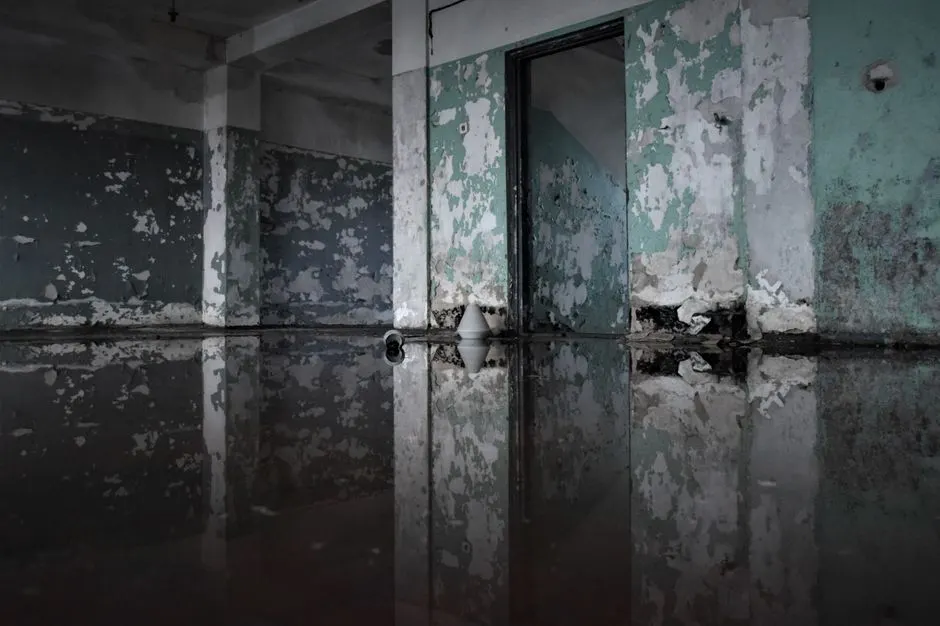 mold remediation after water damageFire water left in wall cavities can grow mold in 24 to 48 hours. Our mold remediation after water damage work follows the dry-down when readings show contamination, using AMRT-trained techs and California Department of Public Health guidance.Explore →
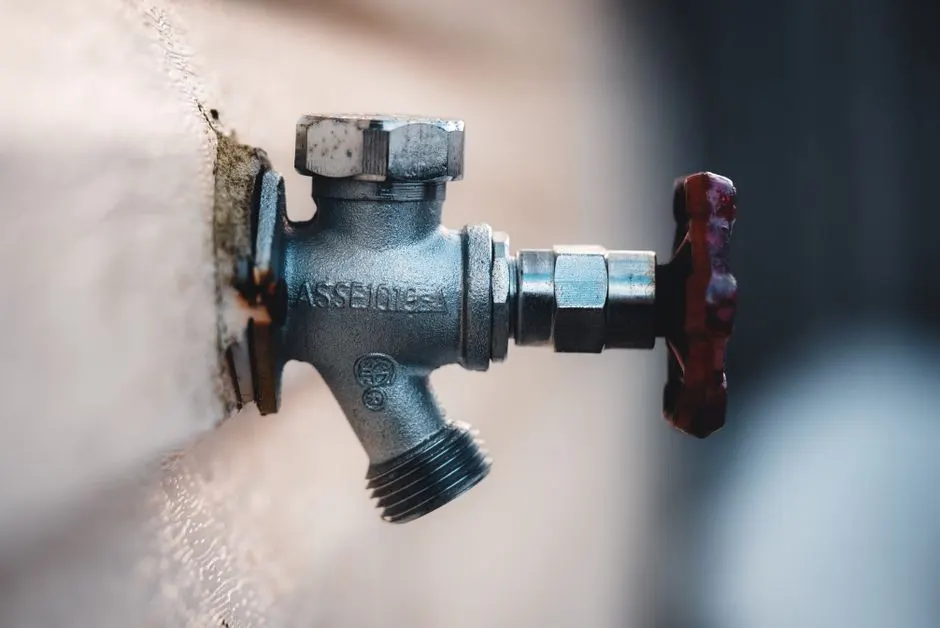 water leak restorationA fire can damage supply lines, and hose water can find existing leaks. Our water leak restoration work traces the source with thermal imaging and moisture meters, fixes the path, and dries the structure so the same cavity does not flood twice.Explore →
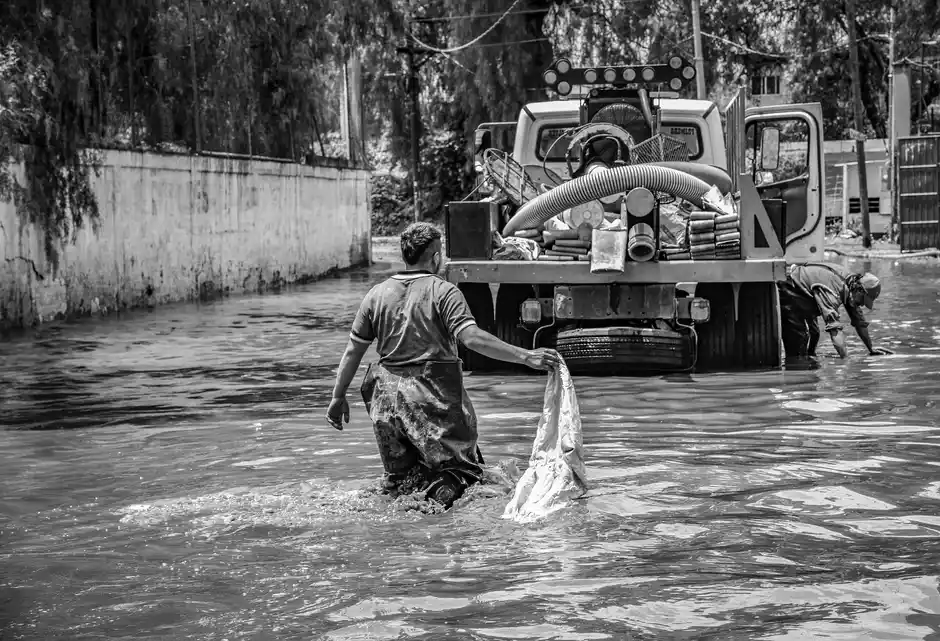 emergency water cleanupEmergency water cleanup covers the fast surface work: extracting sprinkler discharge, mopping, and setting initial drying equipment. It is how we start a fire water damage cleanup Verdugo City job in the first hour, before full scoping.Explore →
 water extractionWater extraction removes the bulk water that fire hoses and sprinklers leave behind. Truck-mounted extractors and extraction wands pull water from carpet, hardwood seams and subfloor before secondary damage sets in.Explore →
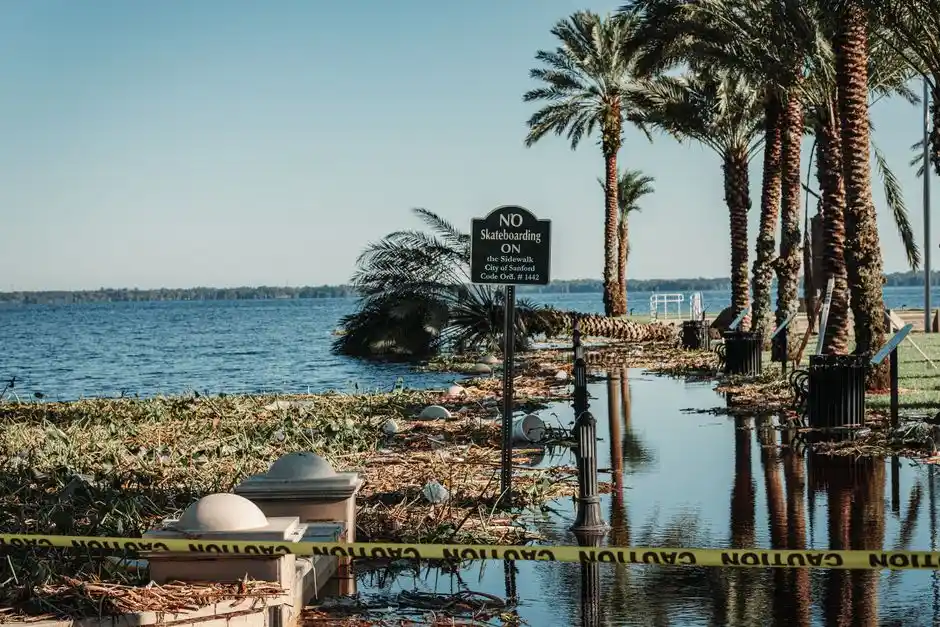 water damage mitigationWater damage mitigation is the stop-damage-now phase: shutting off supply, containing the wet zone, and starting drying. On fire losses we mitigate first, then move into full remediation and documentation for your claim.Explore →
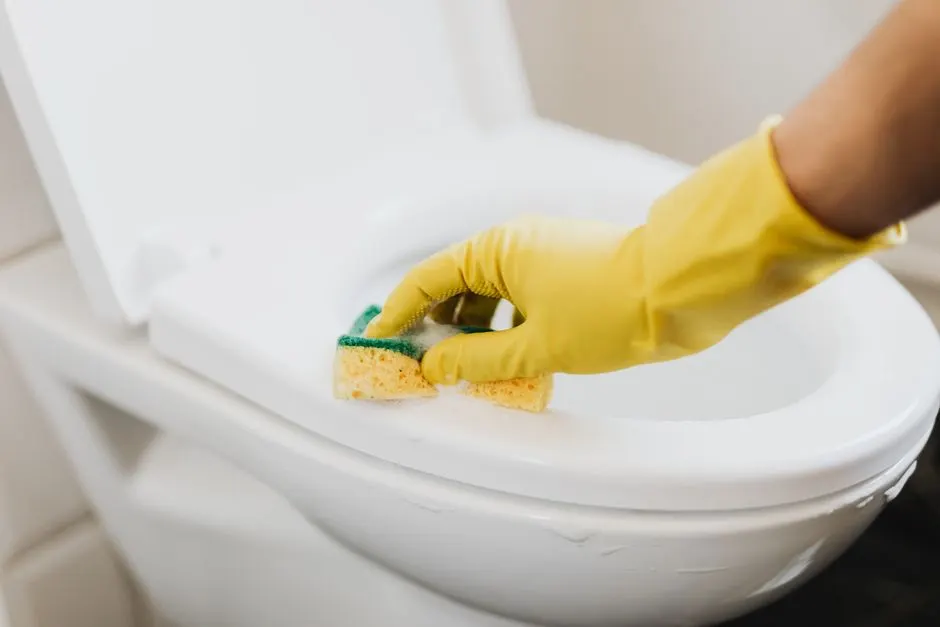 toilet overflow cleanupA toilet overflow during or after a fire response adds contaminated water to an already wet structure. We treat it as Category 2 or 3 water, extract, apply antimicrobial solution, and dry with the same metered process.Explore →
Fire is out, water is still working. Call (833) 321-7153 and a live crew dispatches, usually within 60 to 90 minutes. IICRC-certified, insured, and we document for your carrier from the first hour.
Call now (833) 321-7153 →Reach us at (833) 321-7153 any hour of the day. We answer live, ask what happened, and dispatch the nearest crew. If it is not an emergency, email info@waterdamagerestorationverdugocity.com with photos and we will get you a written scope the same business day.