Musty smell that will not go away
We use thermal imaging and borescope cameras to find the source, then contain and remove the mold. After treatment, we run HEPA air scrubbers to eliminate odors at the source, not just mask them.
Mold remediation after water damage in Verdugo City, California starts with finding the moisture you cannot see. We use thermal imaging cameras and moisture meters to map the spread, then contain and remove mold with HEPA filtration and antimicrobial treatment. If you are searching for mold removal after flooding Verdugo City, our IICRC-certified team responds 24/7 across Verdugo City and the surrounding foothill neighborhoods.
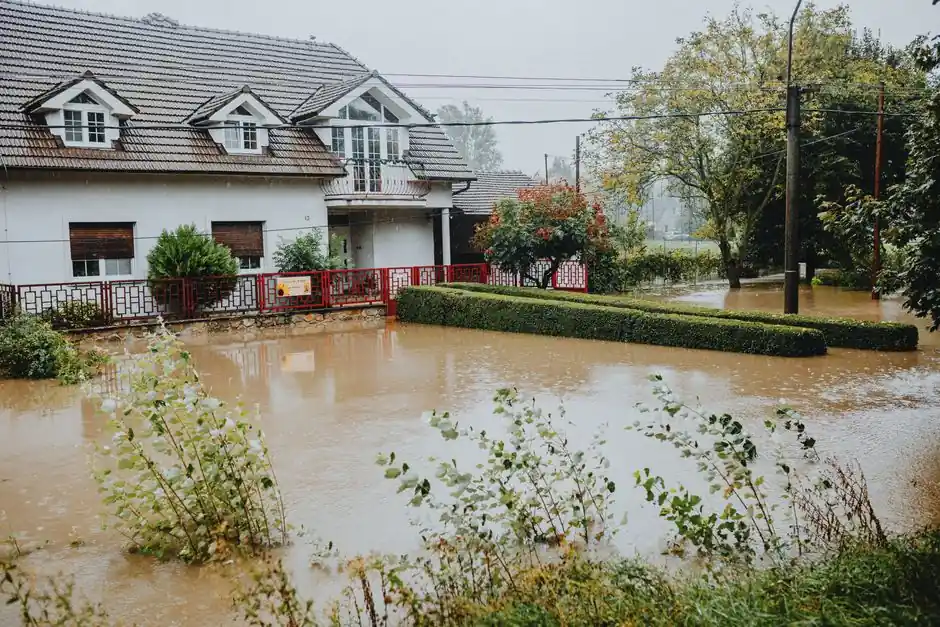
Mold remediation after water damage in Verdugo City, California is the process of containing, removing, and treating fungal growth that develops after a leak, flood, or slow plumbing failure. It is not a wipe-down. We set up plastic sheeting barriers, run HEPA vacuums and air scrubbers, remove saturated drywall and insulation, and apply antimicrobial solution to framing and subfloor. Every job starts with moisture mapping so we treat the actual source, not just the visible stain.
In Verdugo City, the calls we get most are slab leaks under 1950s ranch homes, burst pipe in walls during cold snaps, and roof leak after heavy winter rain. Attic mold and crawl space moisture are common because foothill properties hold humidity longer than the valley floor. If you need mold cleanup after water damage Verdugo City California, we handle the full scope, from extraction to final clearance. We also work with insurance carriers using Xactimate estimates so your claim moves faster.
Every job is scoped to the specific damage, but most mold remediation after water damage in Verdugo City includes the items below. If your job needs additional work, like crawl space encapsulation or roof repair, we will tell you upfront and coordinate it.
We use moisture meters, thermal imaging cameras, and borescope inspection cameras to find hidden moisture in walls, ceilings, and subfloor. You get a written report with photos and readings. This step determines the full scope of the mold remediation.
We build plastic sheeting barriers and run HEPA air scrubbers to keep spores out of clean rooms. Negative air pressure is maintained throughout the job. This protects your family and prevents cross-contamination.
We remove mold from drywall, insulation, baseboard, and framing. Affected materials are bagged and disposed of properly. We cut back to clean material, usually 12 to 24 inches past the visible growth.
After removal, we apply antimicrobial solution to all exposed framing, subfloor, and wall cavities. This kills remaining spores and inhibits regrowth. We use EPA-registered products safe for residential use.
We place Dri-Eaz and Phoenix Restoration Equipment dehumidifiers and air movers to dry the structure to IICRC ASD standards. Drying typically takes three to five days, and we monitor moisture daily until readings are normal.
You receive a final report with daily moisture logs, photos, and clearance readings. This document is useful for insurance claims and for future home sales. It proves the mold remediation was done correctly.
A certified technician walks the property with a moisture meter, thermal imaging camera, and borescope inspection camera. We check wall cavities, baseboards, subfloor, and attic spaces. You get a written scope with photos the same day, usually within two to three hours of arrival.
We build plastic sheeting barriers around the affected area and set up HEPA air scrubbers. Negative air pressure keeps spores from spreading to clean rooms. This step takes one to two hours depending on square footage and how many rooms are involved.
Saturated drywall, insulation, and baseboard that cannot be dried are removed and bagged. We cut back to clean, dry material, typically 12 to 24 inches past the visible mold line. A truck-mounted water extractor handles any standing water still in the structure.
We apply antimicrobial solution to framing, subfloor, and wall cavities. Then we place Dri-Eaz and Phoenix Restoration Equipment dehumidifiers and air movers to dry the structure to IICRC ASD standards. Drying usually takes three to five days, and we monitor moisture daily.
Once moisture readings return to normal, we do a final HEPA vacuum and fogger treatment. You receive a clearance report with daily moisture logs. If rebuild is needed, we coordinate drywall, paint, and baseboard so you are not managing multiple contractors.
Purpose-built equipment, used by trained technicians — so the job is done accurately the first time.
Detects temperature differences behind walls to find hidden moisture without opening the wall. We use it during inspection to map the full extent of water intrusion.
Measures moisture content in drywall, wood, and concrete. We use calibrated meters to document readings before, during, and after drying.
Lets us see inside wall cavities and crawl spaces without major demolition. We use it to confirm mold growth behind baseboards and inside framing.
Captures mold spores and fine particles during removal. We vacuum all surfaces in the containment area before applying antimicrobial treatment.
Applies antimicrobial solution in a fine mist to reach framing, subfloor, and wall cavities. We use it as a final treatment step after removal and drying.
Remove moisture from the air and structure. We size the equipment to the job and monitor daily until readings are normal.
Pulls standing water from carpet, hardwood, and concrete. Used when water is still present at the start of the job.
A slab leak under a Verdugo Woodlands kitchen saturated the subfloor and baseboards for nearly two weeks. The homeowner noticed a musty smell and dark staining along the toe kick. Moisture readings were high across 120 square feet.
We removed the affected baseboard and drywall, treated the framing with antimicrobial solution, and dried the subfloor. Moisture readings returned to normal in four days. The homeowner passed a clearance check and scheduled a plumber to fix the slab leak.
A roof leak during winter storms soaked the attic sheathing in a Sparr Heights home. Mold covered roughly 80 square feet of roof decking and rafters. The homeowner had not been in the attic since the previous spring.
We contained the attic, removed mold from the sheathing with HEPA vacuums, and treated the rafters with antimicrobial solution. Drying took three days. A roofer repaired the leak, and the clearance report showed normal readings.
A basement in Montrose Verdugo flooded during a storm and the carpet stayed wet for a week. Mold grew along the base of the walls and into the carpet pad. The homeowner was concerned about air quality.
We removed the carpet and pad, extracted water from the concrete, and treated the baseboards with antimicrobial solution. Drying took five days. Moisture readings were normal and the basement smelled clean.
Mold after water damage creates health concerns, structural damage, and insurance headaches. Here are the most common problems we solve for Verdugo City homeowners.
Ask a pro →We use thermal imaging and borescope cameras to find the source, then contain and remove the mold. After treatment, we run HEPA air scrubbers to eliminate odors at the source, not just mask them.
We remove affected drywall and insulation, treat the framing with antimicrobial solution, and dry the cavity. You get a clearance report showing normal moisture readings before we close anything up.
We trace the moisture source, whether it is a slab leak, appliance leak, or foundation issue, and coordinate the repair. Then we remediate the mold. Fixing the source is what stops it from returning.
We document everything with moisture readings, photos, and Xactimate estimates. We can meet your adjuster on site and explain the scope. That documentation is what gets claims approved.
Most residential mold jobs in Verdugo City run $1,800 to $6,500 in 2026, depending on square footage and how far the mold spread. Small bathroom or kitchen jobs can be under $2,000. Attic or crawl space jobs with widespread growth often exceed $5,000. We provide a written estimate after inspection so you know the number before we start.
Water Damage Restoration Verdugo City handles mold removal after flooding in Verdugo City and surrounding foothill neighborhoods. We are IICRC certified, CSLB licensed, and available 24/7. Call (833) 321-7153 and we will schedule an inspection, usually the same day. We serve Verdugo Woodlands, Sparr Heights, Montrose Verdugo, and Glendale Verdugo.
Mold can begin growing within 24 to 48 hours of water intrusion. In Verdugo City, our foothill humidity and older building materials speed that up. Visible growth often appears within 72 hours on drywall and insulation. If water sat for more than a day, assume mold is present and get an inspection before you close up the walls.
Yes. We document moisture readings, take photos, and build Xactimate estimates that most major carriers accept. We can bill your insurance directly and meet your adjuster on site. If your policy covers sudden water damage, mold remediation is often included. Call us and we will walk you through what your carrier needs.
 flood restoration servicesFlood restoration services in Verdugo City remove standing water and dry the structure before mold can take hold. If your home flooded, we extract water, set drying equipment, and monitor moisture daily. This is the first step that prevents the mold problem from starting.Explore →
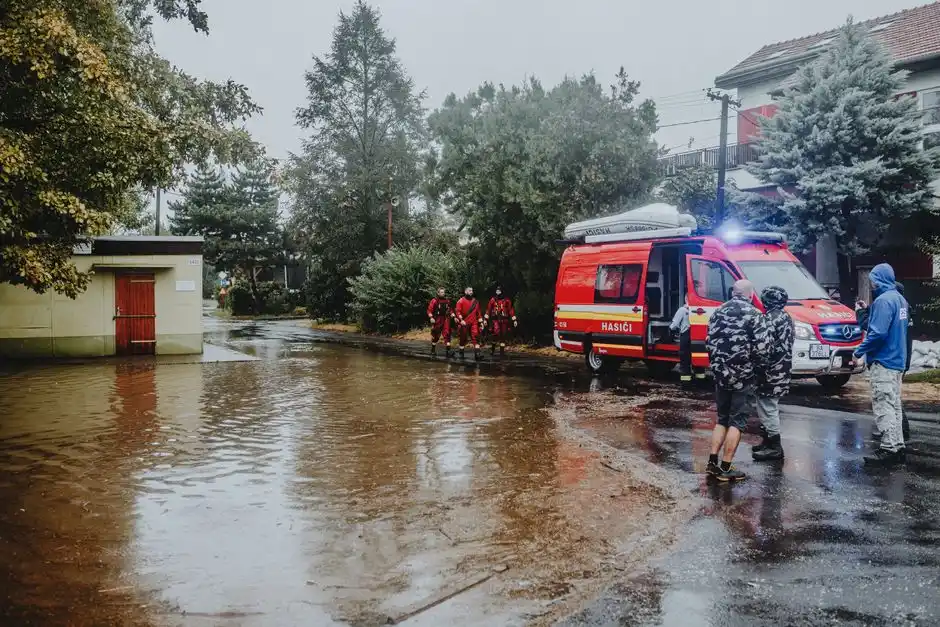 emergency water removalEmergency water removal stops water from spreading into wall cavities and subfloor. We use truck-mounted extractors and portable units to pull water fast. In Verdugo City, we respond 24/7 for burst pipes, appliance leaks, and toilet overflow.Explore →
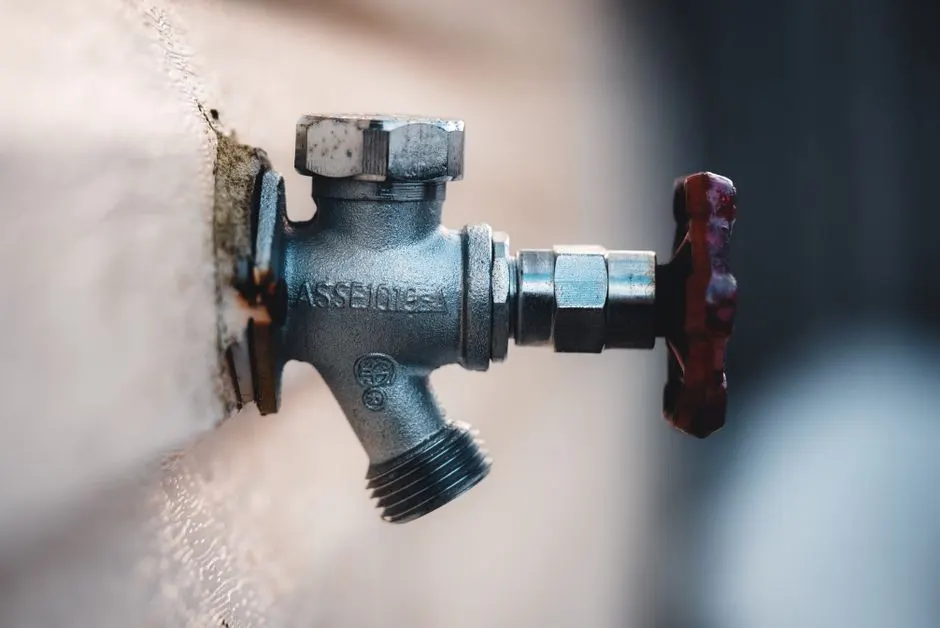 water leak restorationWater leak restoration fixes the damage a slow leak causes behind walls or under cabinets. We find the source, dry the cavity, and treat for mold. Many Verdugo City slab leaks go unnoticed for weeks, which is why mold remediation after water damage is often needed.Explore →
 emergency water cleanupEmergency water cleanup handles the mess after a pipe bursts or a supply line fails. We remove water, disinfect surfaces, and set drying equipment. If you call within 24 hours, you often avoid mold remediation entirely.Explore →
 water extractionWater extraction pulls standing water from carpet, hardwood, and concrete. We use extraction wands and truck-mounted units to remove water quickly. Fast extraction is the single best way to prevent mold after flooding in Verdugo City.Explore →
 water damage mitigationWater damage mitigation limits how far water and moisture spread. We contain the affected area, stop the source, and begin drying. Mitigation is what keeps a small leak from becoming a full mold remediation job.Explore →
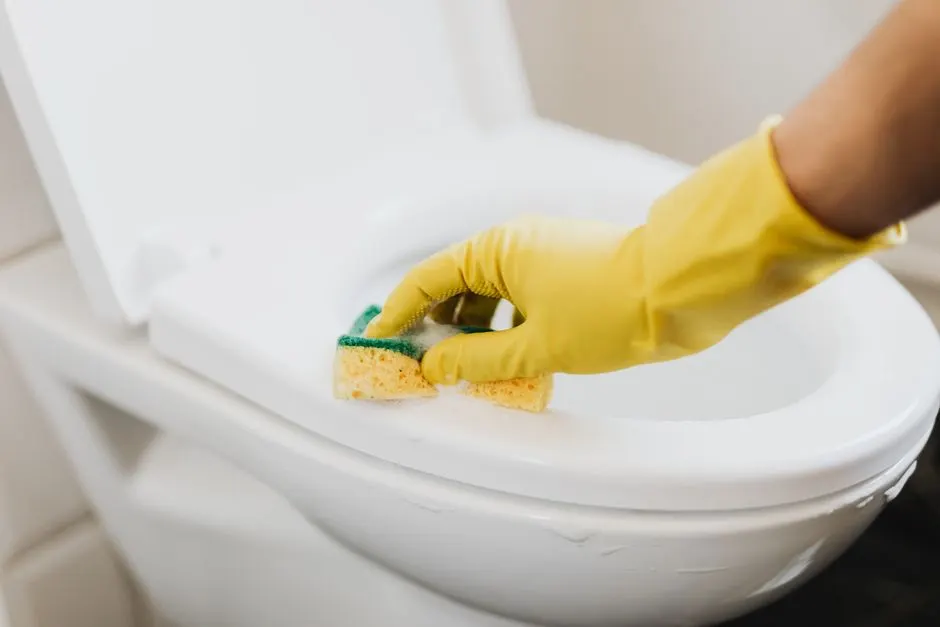 toilet overflow cleanupToilet overflow cleanup involves more than mopping. Category 3 water carries bacteria, so we remove affected materials, disinfect, and dry the structure. In Verdugo City, we handle these calls 24/7 and often start mold prevention treatment the same day.Explore →
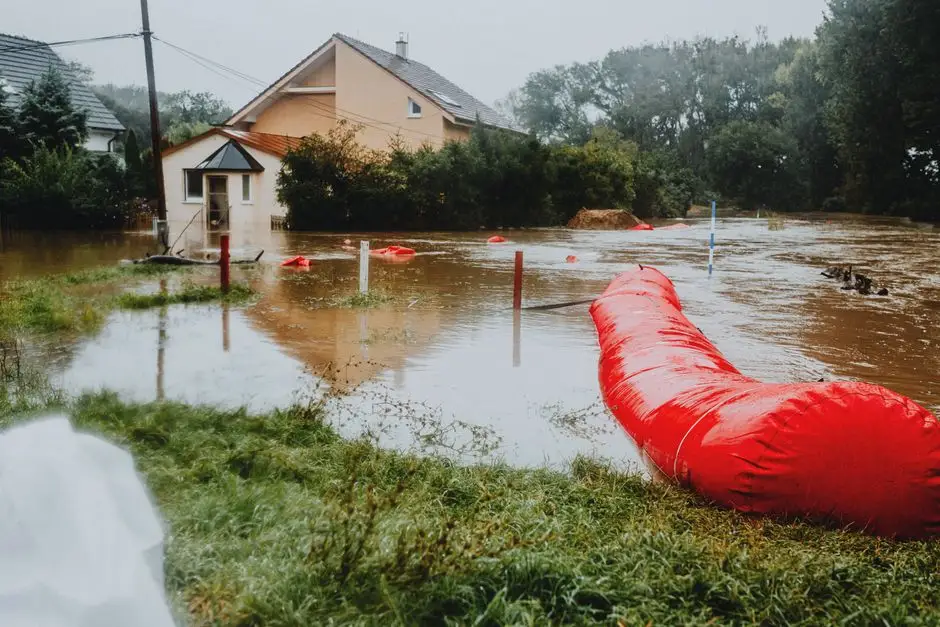 basement flood cleanupBasement flood cleanup removes water from below-grade spaces where humidity stays high. We use sump pumps, dehumidifiers, and air movers to dry concrete and framing. Verdugo City foothill homes often have basement moisture that leads to mold if not dried properly.Explore →
Mold spreads fast. Call (833) 321-7153 and we will schedule a same-day inspection with moisture readings and a written estimate. We are IICRC certified, CSLB licensed, and available 24/7 across Verdugo City.
Call Now (833) 321-7153 →Reach us at (833) 321-7153 any hour of the day. We answer live, ask what happened, and dispatch the nearest crew. If it is not an emergency, email info@waterdamagerestorationverdugocity.com with photos and we will get you a written scope the same business day.