Emergency water removal vs water damage mitigation in Chevy Chase Canyon
Emergency water removal gets the standing water out. Water damage mitigation dries the structure so mold never starts. Chevy Chase Canyon homeowners need both, in order.
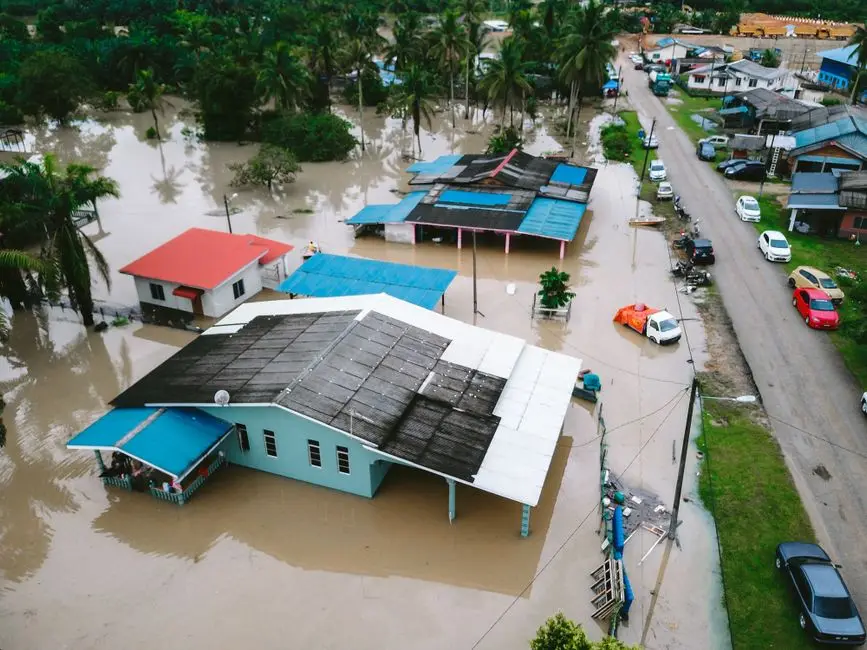
Emergency water removal is the physical extraction of standing water from your floors, carpet, and crawl space. Water damage mitigation is the drying, dehumidifying, and treating of the structure so the moisture that is left behind does not turn into mold, warped hardwood, or a sagging ceiling. You need removal first, mitigation second, and skipping either one is how a two-day job turns into a three-week rebuild.
We run both stages out of the same truck in Verdugo City, and the order matters more than most homeowners expect. Below, we break down what each stage actually does, what it costs in 2026, and how the canyon's specific geography changes the playbook.
The short answer: removal is step one, mitigation is everything after
Emergency water removal vs water damage mitigation in Chevy Chase Canyon is a sequencing question, not an either/or question. Removal is what happens in the first two to six hours - pumps, extractors, weighted wands pulling water out of carpet pad. Mitigation is what happens over the next three to five days - air movers, commercial dehumidifiers, moisture meters, and antimicrobial treatment.
Think of it like a flooded boat. Removal is bailing the water out. Mitigation is drying the wood so it does not rot. If you only bail, the hull still swells and splits.
Our team treats them as one continuous job because splitting them between two contractors is how moisture gets missed. If you have ever had a plumber fix the pipe and then wondered why the drywall smelled like a wet basement two weeks later, that is the gap between removal and mitigation.
What emergency water removal actually does
Emergency water removal in Chevy Chase Canyon is the extraction phase - the part that stops the water from spreading into rooms that were dry an hour ago. It is mechanical, fast, and measurable.
Here is what actually happens when we roll up:
- Water source shut off and confirmed. We find the supply line, the failed fitting, or the backed-up drain and stop the inflow before we touch a wet-vac.
- Standing water extracted. Truck-mounted extractors pull 15 to 25 gallons per minute out of carpet, pad, and hard flooring.
- Weighted extraction on carpet. A weighted roller forces water out of the pad so the carpet has a chance of being saved instead of torn out.
- Contaminated water removed separately. Category 2 and Category 3 water - toilet overflow, sewage backup, ground water - gets handled with different PPE and disposal.
- Initial moisture readings logged. We pin-meter every affected room and photograph the readings so the drying target is documented, not guessed.
Extraction alone gets you maybe 60 to 70 percent of the water out. The rest is bound up in drywall, baseboards, subfloor, and framing. That is where mitigation takes over.
If the water came in through a failed supply line or a slab leak, the repair side matters too - our water leak restoration in Verdugo City, California handles the source fix and the drying in one visit.
What water damage mitigation actually does
Water damage mitigation in Chevy Chase Canyon is the drying and stabilization phase - the part that determines whether you replace a section of baseboard or an entire floor system. It is slower than extraction and it is where the real money is saved.
Mitigation includes:
- Air movement. We place one air mover for roughly every 10 to 16 linear feet of wet wall, angled to push air along the surface, not at it.
- Dehumidification. Commercial LGR dehumidifiers pull 80 to 130 pints of water per day out of the air so the wet materials can actually give up their moisture.
- Moisture mapping. We re-meter every 24 hours and adjust equipment placement based on the readings, not a fixed schedule.
- Antimicrobial application. EPA-registered product goes on framing, subfloor, and wall cavities to slow microbial growth while drying is in progress.
- Controlled demolition when needed. Wet drywall below the flood line, saturated insulation, and swollen baseboards come out so the cavity behind them can dry.
- Final verification. We do not pull equipment until the affected materials read within 2 to 4 percentage points of a dry standard in an unaffected room.
That last step is the one most homeowners never see. It is also the one that separates a real mitigation job from a fan-and-a-heater setup that leaves moisture trapped in the wall.
When the water came from a toilet or a sewage line, the mitigation scope changes - our emergency water cleanup in Verdugo City, California covers the contaminated-water side with the right disposal and disinfection steps.
Why Chevy Chase Canyon homes need both, in this order
Chevy Chase Canyon sits at the mouth of a drainage that funnels storm runoff off the Verdugo Mountains, and the housing stock ranges from 1920s bungalows to 1970s ranches to newer hillside builds. That mix changes how water behaves once it is inside.
Three things we see repeatedly here:
- Slab-on-grade homes with original plumbing. A pinhole leak in copper under the slab can run for weeks before it surfaces as a warm spot on the floor. By the time you see it, the extraction is small and the mitigation is large.
- Hillside properties with daylight basements. Water that enters at the top of the slope shows up 30 feet downhill, which is why the wet room is rarely the room with the problem.
- Post-wildfire burn scars above the canyon. After a fire year, the soil above Chevy Chase Canyon sheds water instead of absorbing it. A half-inch of rain that used to soak in now runs off in a sheet.
That last point is why we keep a different playbook for canyon properties than for flatland homes. If you are in one of the older canyon pockets, our Water Damage Restoration in Chevy Chase Canyon page covers the specific entry points we check first.
Neighboring areas see the same pattern with slightly different plumbing ages. We run the same two-stage process for Water Damage Restoration in Verdugo Woodlands, where the older tree canopy and root intrusion create their own set of supply-line failures.
What is the difference between water removal and mitigation in Verdugo City?
The difference between water removal and mitigation in Verdugo City comes down to water you can see versus water you cannot. Removal handles the visible standing water. Mitigation handles the moisture that has already soaked into materials and the humidity that will keep feeding it.
Here is the practical breakdown:
- Removal: pumps, extractors, weighted wands. Measured in gallons and hours. Usually done in the first visit.
- Mitigation: air movers, dehumidifiers, meters, antimicrobial. Measured in days and moisture percentage points. Usually runs 3 to 5 days.
You cannot do mitigation without removal first - running dehumidifiers over standing water just wastes electricity. And you cannot stop at removal, because the moisture left in the drywall and subfloor is exactly what mold needs.
If you want the full service picture, our water damage mitigation in Verdugo City, California page walks through the drying targets and equipment we use on canyon homes.
When to call for emergency water removal in Chevy Chase Canyon
Call for emergency water removal in Chevy Chase Canyon the moment water is still rising or has covered more than a few square feet of flooring. Waiting an hour rarely saves money - it usually adds a day of drying and a mold risk.
Call immediately if:
- Water is actively flowing and you cannot find the shut-off.
- Standing water covers more than one room or has reached a hallway.
- The water is dark, smells like sewage, or came from a toilet or drain.
- You can hear water running inside a wall or under the slab.
- Water has touched electrical outlets, a panel, or an appliance that is still plugged in.
If the water is from a clean supply line, has stopped, and covers less than a square yard, you can often handle the first hour yourself with towels and a shop vac. Anything bigger, or anything you cannot identify the source of, needs a truck-mounted extractor and a moisture meter.
For after-hours calls, our 24-hour water restoration near me in Verdugo City, California line is staffed around the clock - water does not wait for business hours, and neither do we.
Emergency water removal vs mitigation cost in Verdugo City California
Emergency water removal vs mitigation cost in Verdugo City California breaks down by stage, and the removal stage is almost always the smaller line item. Typical 2026 pricing in this area:
- Emergency water removal: $350 to $900 for a single-room extraction, $1,200 to $2,800 for a whole-floor or multi-room job.
- Water damage mitigation: $1,800 to $5,500 for a typical 3-day dry-out with equipment, monitoring, and antimicrobial.
- Contaminated water (Category 2 or 3): add 25 to 40 percent for PPE, disposal, and disinfection.
- Mold remediation if drying was delayed: $2,200 to $7,500 depending on square footage and whether the crawl space is involved.
The reason mitigation costs more is simple: it takes longer, uses more equipment, and requires daily monitoring. A single extraction visit is two to four hours. A full mitigation is three to five days of equipment running and a technician re-metering every 24 hours.
The cost gap is also why skipping mitigation is a bad bet. A $2,000 dry-out that gets done right is cheaper than a $6,000 mold job six weeks later.
Common mistakes we see in Chevy Chase Canyon
The mistakes we see in Chevy Chase Canyon almost always come from treating removal as the finish line. Here are the ones that cost homeowners the most.
- Pulling up carpet and calling it done. The pad comes out, the carpet goes back, and the subfloor stays wet underneath. Two weeks later, the carpet smells.
- Running a box fan and a household dehumidifier. A residential dehumidifier pulls 30 to 50 pints a day. A commercial LGR pulls 80 to 130. The math does not work.
- Not documenting moisture readings. Without before-and-after numbers, you cannot prove the structure is dry - and neither can your insurance adjuster.
- Waiting on the insurance adjuster before starting extraction. Most policies require you to mitigate further damage immediately. Waiting 48 hours for an adjuster can cost you the claim.
- Ignoring the crawl space. Water that runs under the house does not show up in the living room until the floor starts to cup.
- Assuming the smell is gone because the floor is dry. Odor comes from microbial activity in the wall cavity, not the surface.
We see the crawl space issue most often in the older canyon homes, which is why our crawl space mold removal in Verdugo City, California work usually starts with a moisture reading under the house, not in it.
When to call a professional
Call a professional when the water has been standing more than a few hours, when it has reached a wall cavity, or when you cannot confirm the source has stopped. Those three conditions cover about 90 percent of the jobs we get called to in Verdugo City.
Water Damage Restoration Verdugo City runs both stages - extraction and mitigation - out of the same visit, so you are not coordinating between a plumber, an extractor, and a dry-out crew. We meter the affected rooms, set the drying target, and do not pull equipment until the numbers say the structure is dry.
If you are not sure which stage you need, that is a normal call for us. Most homeowners have never dealt with this before, and the answer is usually "both, starting now."
Frequently Asked Questions
What is the difference between emergency water removal and water damage mitigation?
Emergency water removal extracts standing water with pumps and extractors, usually in the first visit. Water damage mitigation dries the remaining moisture out of drywall, subfloor, and framing over 3 to 5 days using air movers and dehumidifiers. Removal is step one; mitigation is everything after.
Which is better for Chevy Chase Canyon homes, water removal or mitigation?
Neither is optional - canyon homes need both, in order. Removal stops the spread, mitigation prevents mold and structural damage. Skipping removal wastes drying equipment; skipping mitigation leaves moisture trapped in walls and subfloor, which is where mold starts within 24 to 48 hours.
How much does emergency water removal cost in Chevy Chase Canyon?
Typical 2026 pricing runs $350 to $900 for a single-room extraction and $1,200 to $2,800 for a whole-floor job. Contaminated water adds 25 to 40 percent. Mitigation is separate and usually runs $1,800 to $5,500 for a standard 3-day dry-out.
Does water damage mitigation prevent mold in Verdugo City California?
Yes, when it starts within 24 to 48 hours of the water event. Mitigation dries materials to within 2 to 4 percentage points of a dry standard and applies EPA-registered antimicrobial to framing and wall cavities. Delayed mitigation is the single biggest reason we get called for mold remediation later.
How long does the whole process take?
Extraction is typically 2 to 4 hours on site. Mitigation runs 3 to 5 days of equipment with daily monitoring. Full restoration - drywall, paint, flooring - adds another 3 to 10 days depending on how much material had to come out.
Get help with Water Damage Restoration in Verdugo City
If water is on the floor right now, the fastest thing you can do is get it out. We handle emergency water removal and water damage mitigation in Chevy Chase Canyon and across Verdugo City, and we start the same day you call.
Call (833) 321-7153 and we will get a crew moving toward your address.